
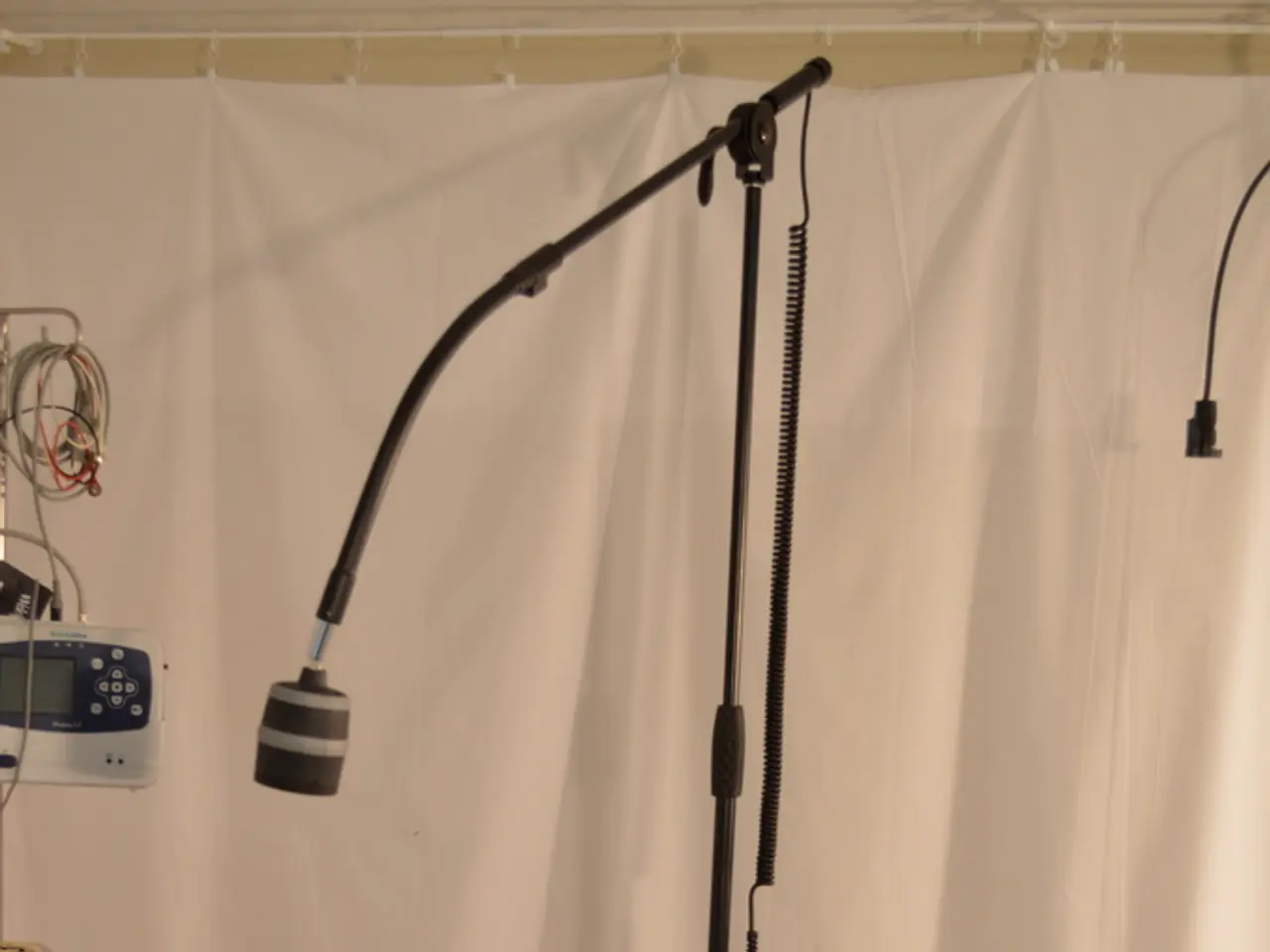
Points to Consider Regarding Condenser Microphones
When it comes to producing high-quality voice recordings for voice-overs, vlogs, or singing tracks, selecting the right condenser microphone is crucial. Here are some key factors to consider to ensure you capture clear, engaging, and professional-sounding vocals.
Firstly, sound quality is paramount. A condenser microphone should be able to capture vocals with pristine detail and a wide frequency response to accurately reproduce the nuances and warmth of the voice.
Secondly, the polar pattern of the microphone plays a significant role. Most vocal recordings benefit from a cardioid polar pattern, which focuses on sound from the front while minimising background noise. Versatile mics offering multiple patterns (cardioid, omnidirectional, figure-8) can adapt better to different environments.
Sensitivity and noise floor are also important considerations. A microphone with high sensitivity will capture subtle vocal inflections, but not so sensitive that it picks up unwanted ambient noise. A low noise floor ensures cleaner recordings without hiss or distortion, especially important for quiet voice-over work.
Durability is another essential factor, as microphones are often used extensively and moved frequently in studios or on location. A well-built microphone can maintain consistent performance over time.
Application and genre considerations are also vital. Different vocal styles affect microphone choice. For example, dynamic vocal ranges in genres like pop, R&B, and country benefit from condensers with good dynamic handling. For harsh or loud vocals (e.g., rock or rap), a microphone that manages plosives and the proximity effect well is preferred.
Frequency response and off-axis behavior are other factors to consider. A linear frequency response with slight enhancements in the treble can add clarity without harshness. Superior off-axis behavior ensures minimal coloration or distortion from sounds outside the mic’s main pickup area, which is important for detailed recording.
Compatibility and accessories are also crucial. Ensure the microphone is compatible with your audio interface or mixer (e.g., requires phantom power, uses XLR connections). Also, look for included accessories like shock mounts and pop filters, which aid in cleaner recordings by reducing handling noise and plosives.
Lastly, brand reputation and reviews are reliable indicators of microphone quality and suitability for vocal recordings. Trusted brands and positive user feedback can provide confidence in your microphone choice.
In summary, prioritise sound quality, polar pattern, sensitivity, noise floor, and build quality, while tailoring your choice to your specific vocal style and recording environment. Accessories and compatibility further support a smooth recording experience. For vocals, cardioid condenser mics with low self-noise and clear, natural frequency response tend to be the best fit.
Technology plays a pivotal role in the selection of condenser microphones, as advances in microelectronics and digital signal processing have contributed to improved sound quality.
Incorporating gadgets like shock mounts and pop filters enhances the overall performance of a condenser microphone, ensuring cleaner and clearer vocal recordings.




