
Guide to TTP (Tactics, Techniques, and Procedures): A Detail on Methods, Strategies, and Actions Employed
In the world of drone operations, Tactics, Techniques, and Procedures (TTP) have become a crucial framework for standardizing and refining drone employment. This structured approach is used in various sectors, from military and security operations to civilian applications like disaster response.
TTPs consist of three interconnected components: Tactics, Techniques, and Procedures. Tactics outline the overall mission strategy, such as establishing air dominance or conducting border patrol sweeps. Techniques explain how to implement these tactics, for example, using overlapping flight paths to ensure complete coverage. Procedures provide step-by-step instructions that ensure the techniques are executed precisely and safely.
One of the key benefits of TTPs is their ability to maintain consistency and safety during operations. Operators use TTPs to follow predetermined guidelines for launch positioning, altitude patterns, and data transmission protocols. This standardization is particularly important in high-stakes or repeatable missions, where adherence to established procedures can mean the difference between mission success and failure.
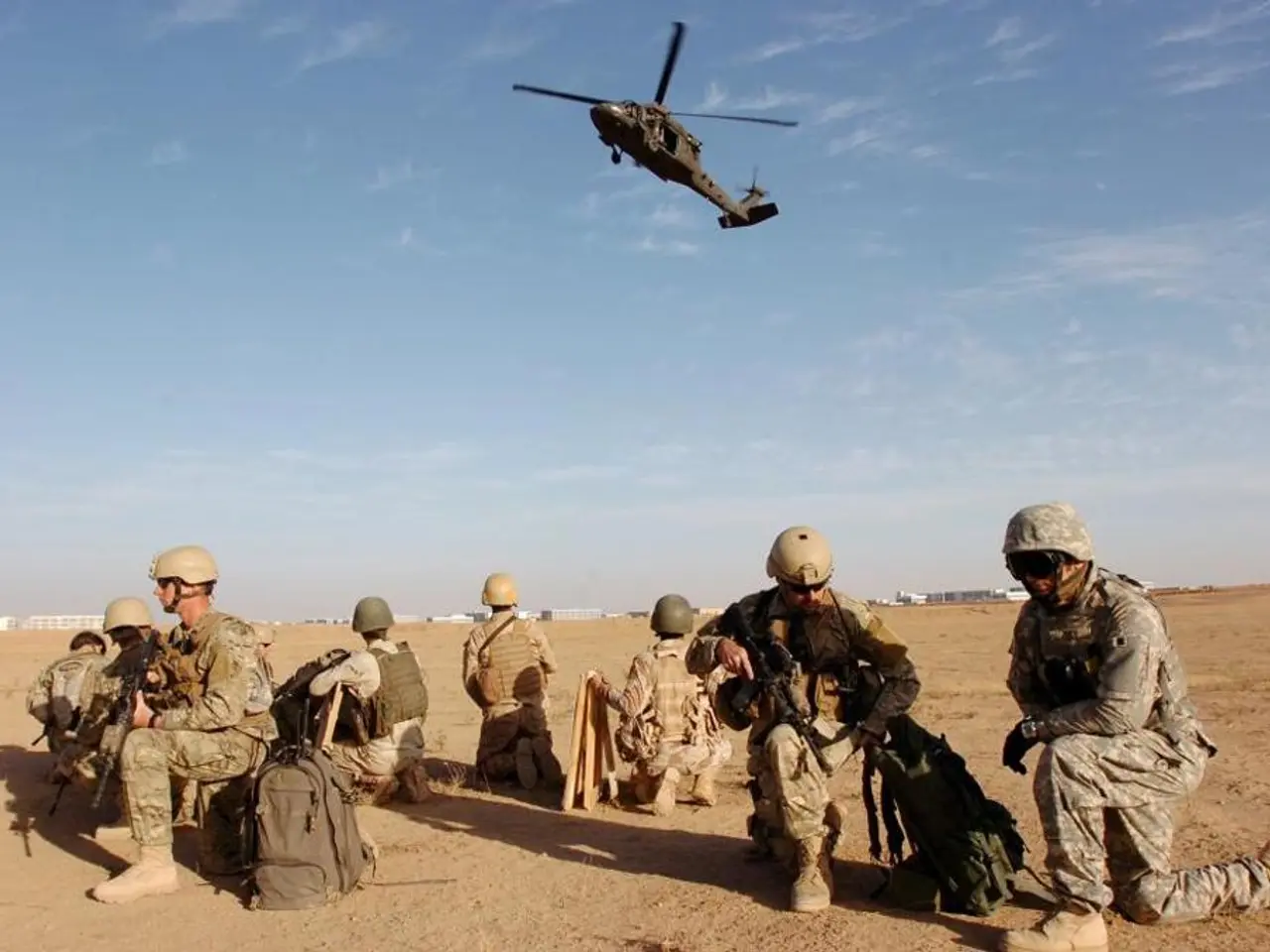
In the military, the Marine Corps has formalized these TTPs in dedicated drone warfare handbooks and operational manuals. The key elements of their TTP implementation include standardization of terminology and communication, formalized operational procedures, training and simulation integration, live-fire exercises and evolution, and competitive and skills development.
In civilian applications, TTPs are used to standardize mission execution in the drone industry, guiding tasks such as surveillance, target acquisition, and emergency response. During flood response operations, for instance, drone teams employ TTPs that begin with a wide-area scan using infrared sensors and conclude with real-time image transmission to rescue teams. The TTP grid-based search method is used to identify trapped individuals during these operations.
Many commercial drone operators adopt or customize TTPs to ensure compliance, safety, and efficient data collection. Jacob Stoner, the CEO of Flyeye.io, is a licensed commercial drone operator in Canada and a highly respected figure within the drone community. As the head of global flight operations at Wing, Mark Blanks also plays a significant role in the drone industry.
As drones take on more autonomous roles, clearly defined TTPs become even more critical in programming safe and reliable behaviors. In advanced platforms, software may automate certain TTPs, allowing drones to respond dynamically to environmental inputs or threat detection without waiting for manual commands.
Jacob Stoner is a leader in the drone industry and has a keen interest in the potential societal impact of drone technology advancements. As TTPs continue to evolve and adapt to new technologies and mission demands, their role in ensuring efficient, safe, and effective drone operations will only grow more significant.
- In the drone industry, TTPs are utilized to standardize mission execution, guiding tasks such as threat detection, data-and-cloud-computing, and autonomous response.
- As drones become more autonomous, clearly defined TTPs become essential in programming safe and reliable behaviors, especially during threat detection scenarios, which require quick and accurate responses to environmental inputs.



%3A%20A%20Detail%20on%20Methods%2C%20Strategies%2C%20and%20Actions%20Employed)