
Enhancing Income with Targeted Popup Alerts
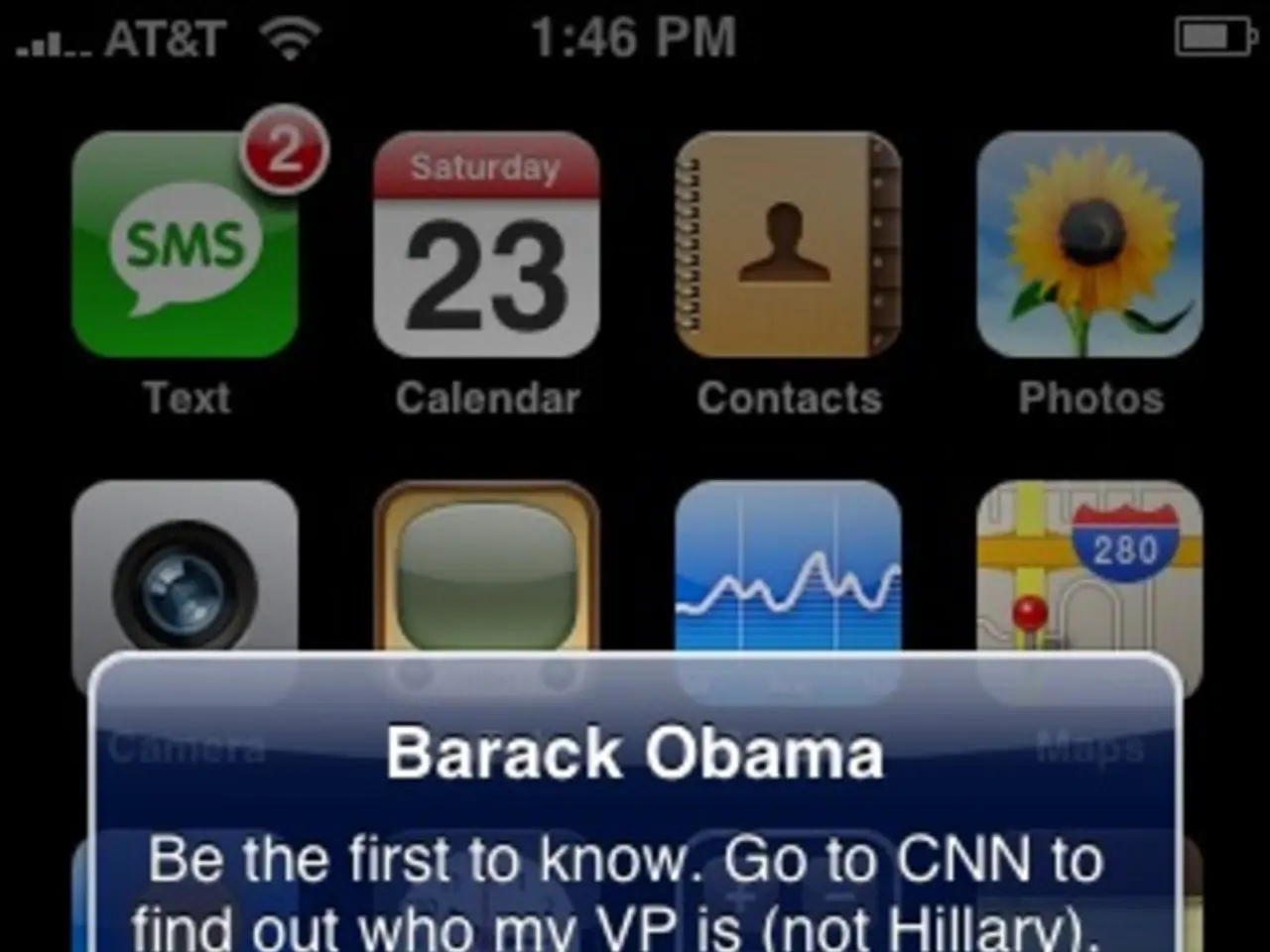
Pop-up notifications have become a common feature on cell phones, PCs, and even in cars, serving as unexpected messages that can range from alerts and task requests to exciting offers. In the realm of business and marketing, these notifications can be harnessed to drive growth, promote brands, and boost revenue when used correctly.
Pop-ups on a website ensure that every visitor sees important information and news, making them an essential tool for businesses. They can take various forms, such as Toasts, Passive-Popups, Snack bars, Notification Bubbles, Desktop Notifications, and Click popups, which are promotional and eye-catching, appearing when visitors click on the landing page or designated links.
Image pop-ups, using visual content, are particularly effective, as people tend to respond better to visuals than text-only content. Scroll popups, which appear when readers show interest in a page and scroll down, encourage them to move further into the page or website.
However, if not executed effectively, pop-ups can drive away clients. To ensure their effectiveness, best practices focus on delivering clear value, timely and behavior-based triggers, personalization, and respecting user experience.
Offering clear, immediate value is crucial when using pop-ups to grow your email list or customer base. Provide a tangible benefit upfront, such as a free guide, checklist, or a first-time discount (around 10–15%). Keep the design simple, typically just an email field, and ensure it's mobile-optimized.
Pop-ups triggered by specific user behaviors, such as exit-intent popups when someone is about to leave the site or cart abandonment reminders, can effectively recover lost sales without interrupting the browsing experience. Fine-tuning the timing so the popup feels intuitive and not pushy is crucial.
For time-sensitive campaigns like product launches, flash sales, or webinars, incorporating countdown timers into pop-ups can build urgency and encourage faster decision-making by signaling a limited window to act.
Collecting behavioral data like browsing habits, preferences, search queries, and wish lists to send relevant, hyper-personalized notifications increases engagement and conversion rates by ensuring messages align directly with the customer’s interests. However, avoid over-personalization, comply with data privacy regulations, and give customers transparency and control over their data.
Optimizing timing for push notification opt-ins is also key. Avoid asking immediately after app install, as users have low trust at that point. Instead, delay until users are more familiar with the brand to increase opt-in rates.
Maintaining brand consistency and providing value is essential. Use brand-consistent icons and images in notifications. Consistently deliver value so customers welcome your messages rather than seeing them as intrusive. The goal is to help customers genuinely while also driving business outcomes.
Pop-ups can promote conversion, as large brands use them to offer moment discounts on checkout pages to prevent cart abandonment. They can also be time-based and event-based. Entry popups, which block a visitor from seeing the page until they engage with it, appear on the landing page or when the website is loaded.
In summary, the effectiveness of pop-up notifications depends on offering real value, precise targeting based on user behavior, well-planned timing, relevant personalization, and respecting the user experience without intrusiveness. Balancing these factors improves opt-in rates, list growth, conversions, and customer loyalty.
[1] Neil Patel, "The Definitive Guide to Using Pop-ups Effectively for Conversion Optimization" (2019), [2] "Exit-Intent Pop-ups: The Ultimate Guide" (2019),
Smart-home devices, with their integration into data-and-cloud-computing platforms, can utilize pop-up notifications for timely updates on energy usage and automated settings, enhancing user experience and promoting technology's potential benefits.
Gadget enthusiasts exploring the latest tech innovations can receive personalized notifications regarding new gadget launches and exclusive offers through technology's data-and-cloud-computing infrastructure, making it easier than ever to stay informed about their favorite gadgets.




