
Enhancement Strategies for Boosting Farmers' Welfare in India - Top 5 Solutions
In a bid to improve the conditions of farmers in India and bolster the agricultural sector, a multifaceted approach is needed that encompasses better agricultural infrastructure, financial support, technology adoption, education, and sustainable farming practices.
Better Agricultural Infrastructure
Strengthening India's agricultural infrastructure is crucial for boosting productivity and reducing reliance on monsoons. This can be achieved by:
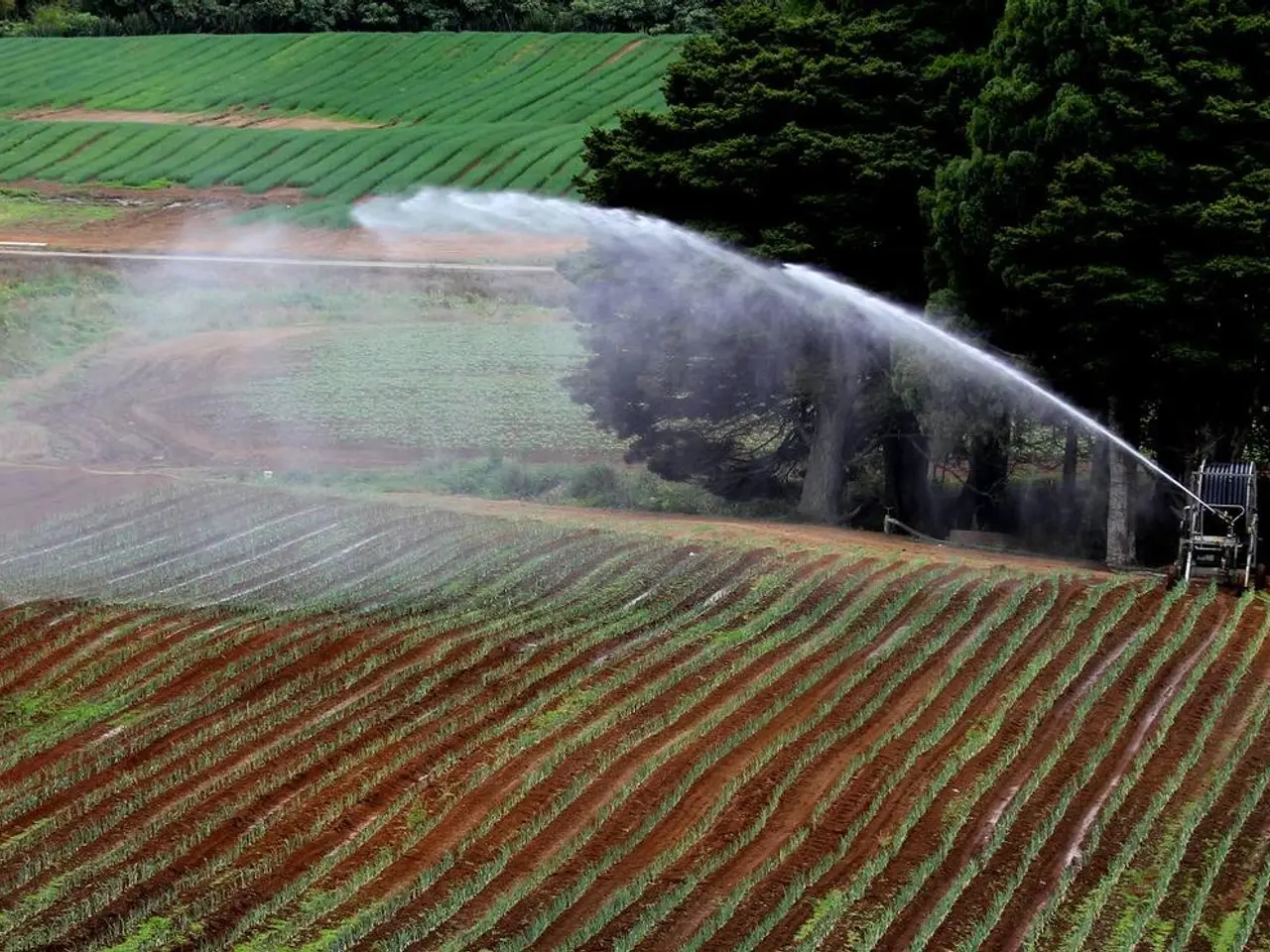
- Irrigation Systems: Investing in advanced irrigation systems, such as groundwater systems and canals, will help reduce dependence on monsoons and improve productivity.
- Storage and Transportation: Building warehouses, cold storage facilities, and efficient transportation systems can minimise post-harvest losses and improve farm-to-market linkages.
- Market Infrastructure: Strengthening market infrastructure through initiatives like eNAM can connect farmers directly with buyers, ensuring fair prices for produce.
Financial Support
Financial assistance is key to empowering farmers. Strategies include:
- Agriculture Infrastructure Fund (AIF): Programs like AIF provide financial support by offering loans with interest subvention and credit guarantees, encouraging investment in post-harvest management and community farming assets.
- Subsidies and Incentives: Implementing subsidies for sustainable practices and offering incentives for adopting new technologies can help farmers manage costs and improve profitability.
- Insurance Schemes: Expanding insurance schemes like Pradhan Mantri Fasal Bima Yojana (PMFBY) to cover more risks can provide financial security to farmers.
Technology Adoption
Embracing technology can revolutionise Indian agriculture. Key strategies include:
- Digital Farming Solutions: Promoting digital tools like AI-powered crop monitoring, drones, and mobile applications can enhance farm management efficiency and productivity.
- Precision Agriculture: Implementing precision agriculture techniques can help optimise resource use and improve crop yields.
- Data Analytics: Utilising data analytics to inform farming decisions can reduce risks and enhance profitability.
Education
Education plays a vital role in empowering farmers. Strategies include:
- Extension Services: Strengthening agricultural extension services to provide training and advice on best practices can improve farm productivity and sustainability.
- Capacity Building: Providing farmers with opportunities to learn about new technologies and sustainable practices can enhance their ability to adapt.
- Literacy Programs: Digital literacy programs can help bridge the gap in accessing digital farming solutions.
Sustainable Farming Practices
Adopting sustainable farming practices is essential for long-term success. Strategies include:
- Water Conservation: Encouraging water-saving irrigation techniques and promoting drought-resistant crops can mitigate water scarcity issues.
- Crop Diversification: Promoting crop diversification can reduce dependence on water-intensive crops and improve soil health.
- Climate-Resilient Agriculture: Implementing climate-resilient practices and technologies can help farmers adapt to changing environmental conditions.
By integrating these strategies, India can significantly improve the conditions of its farmers, increase agricultural productivity, and ensure sustainable food security.
Other initiatives to support Indian farmers include fostering access to low-interest loans, robotisation in farming, crop extension, agroforestry, modernised stages and adaptable applications, improved road networks, organising standard programs, green extension associations and NGOs, and making the government aware of yield affirmation plans. The agricultural sector in India remains the backbone of the economy, and empowering its farmers will have far-reaching benefits for the nation.
Technology adoption plays a significant role in revolutionizing Indian agriculture by promoting digital farming solutions, precision agriculture, and data analytics. Adopting advanced irrigation systems, such as groundwater systems and canals, can also help reduce dependence on monsoons and improve productivity (Technology Adoption).
Strengthening market infrastructure through initiatives like eNAM can connect farmers directly with buyers, ensuring fair prices for produce, while implementing subsidies for sustainable practices can help farmers manage costs and improve profitability (Financial Support). Utilizing digital tools and capacity building programs can help bridge the digital divide amongst farmers and enable them to fully benefit from technology adoption (Education).